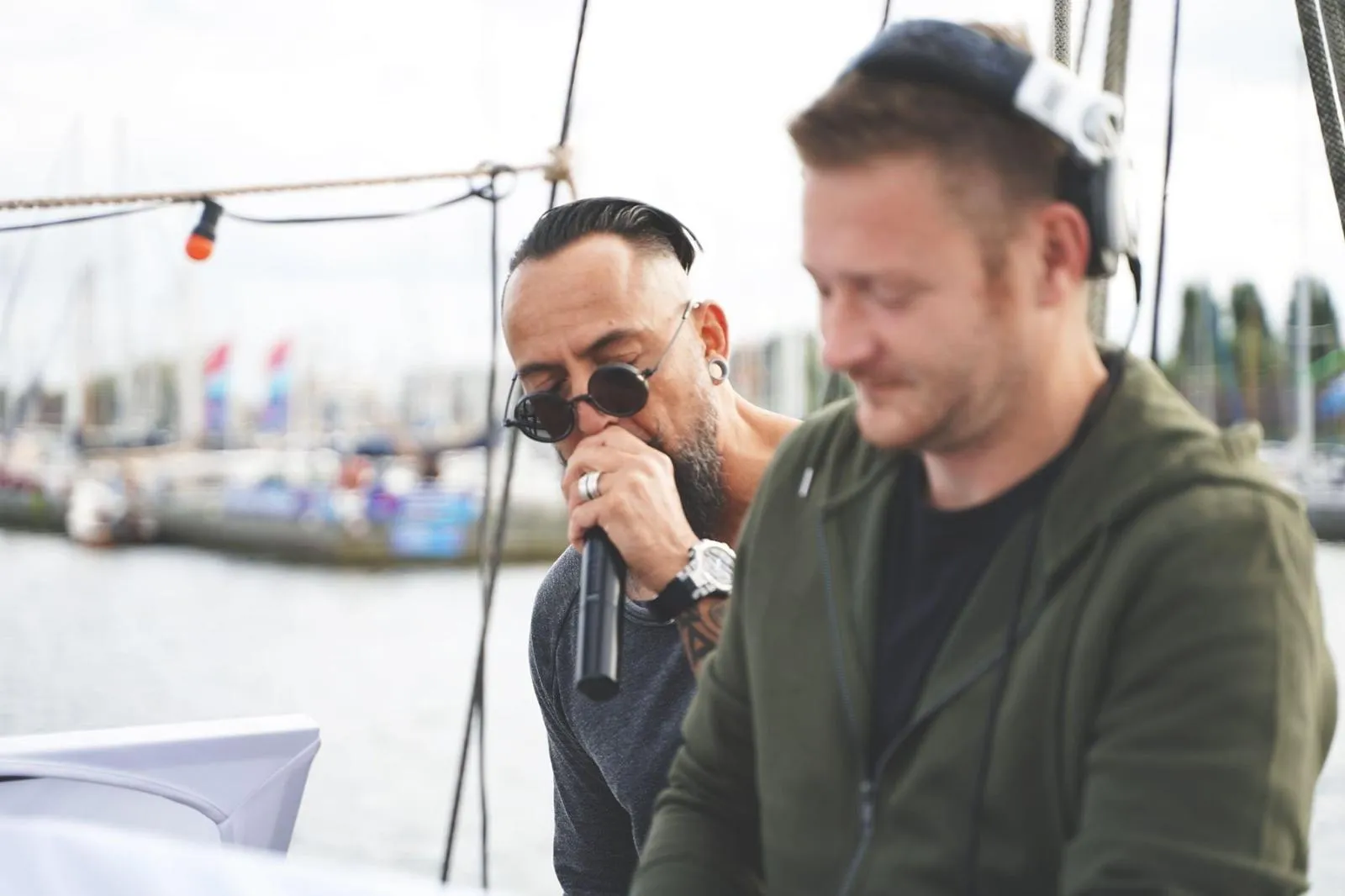
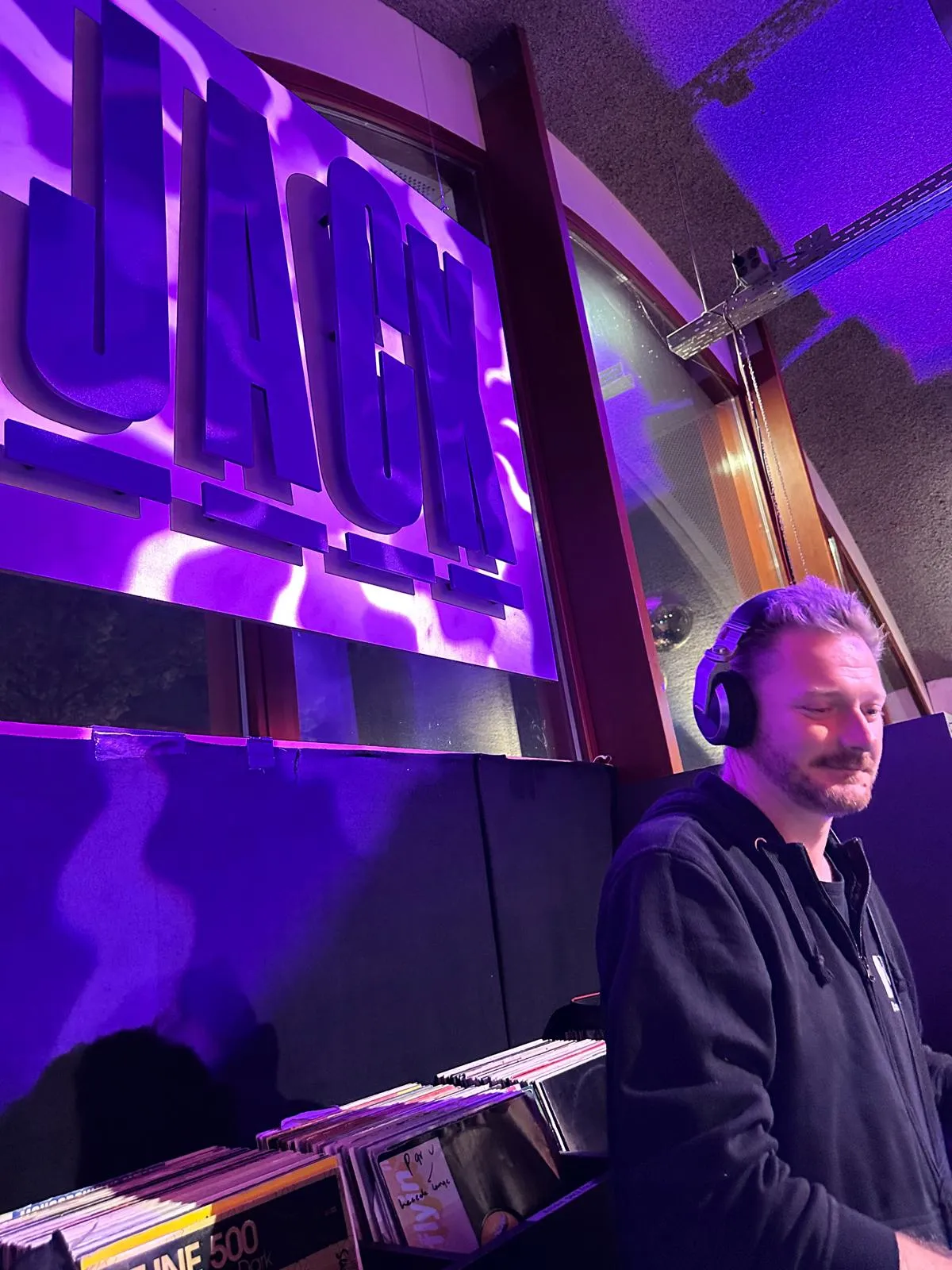
A good DJ set is more than a collection of tracks in a row. It is a story, an emotional journey, a carefully constructed experience. From intimate lounges to UNTOLD Festival: I have developed my own philosophy on programming the perfect set.
The difference between a playlist and a set
Let me make this clear straight away: a DJ set is not a Spotify playlist. Comparing myself to twenty years ago, this is the biggest change in how I think.
A playlist is a collection of good records. A set is a journey. It has a beginning, a middle and an end. It builds, breaks down, creates tension and gives release. Every track serves a purpose in the whole.
That may sound pretentious, but it is the reality. The best sets I have ever experienced - whether Sasha, John Digweed or a local hero - felt like complete experiences, not like bangers played back to back.
The basic principles of programming
1. Know your context
Before I select a single track, I ask myself these questions:
- What kind of event is it? (Club, festival, corporate, private party)
- What crowd am I expecting?
- What time am I playing? (Opening, prime time, closing)
- How much time do I have?
- Who plays before and after me?
A two-hour prime time set in a techno club calls for completely different programming than a five-hour warm-up in a lounge. Context decides everything.
2. Think in energy, not in records
I categorise my tracks not only by genre or BPM, but above all by energy level. On a scale of 1 to 10:
- 1-3: Ambient, downtempo, intimate grooves
- 4-5: Warm house, groovy techno, build-up tracks
- 6-7: Danceable energy, driving beats
- 8-9: Peak time bangers, big moments
- 10: That one track that blows the place apart
A good set is not constantly at 10. It is a wave. You build to 8, come back to 5, build again to 9, and so on. The troughs make the peaks possible.
Pro tip
Make playlists in your DJ software based on energy level, not genre. That way you can find the right intensity quickly while playing, without searching.
3. Key matching (but not dogmatically)
Harmonic mixing - combining tracks in complementary keys - can lift your mixes to another level. Tools like Mixed In Key and the Camelot Wheel make it accessible.
The basics: tracks in the same key or an adjacent key on the Camelot Wheel usually mix harmonically. From 8A to 8A, 7A or 9A, for example.
But - and this matters - key matching is a tool, not a law. Some of the most memorable moments in my sets came from "wrong" key combinations that worked perfectly on an emotional level. The clash created tension.
4. BPM management
I rarely start a set at the tempo I want to end at. If my prime time is around 128 BPM, I might start at 118-120 and build gradually.
The rule I use: a maximum of 3-4 BPM difference per transition. Bigger jumps are possible, but they need a clear break - a breakdown, a vocal bridge, something that signals to the crowd that we are changing direction.
Different approaches for different events
The club set (2-4 hours)
This is where I feel most free. A longer club set gives room for a complete journey:
- First 30-45 min: Set the atmosphere, introduce the groove, carefully build the crowd
- 45 min - 1.5 hours: Build the energy, set a direction, fill the floor
- 1.5 - 3 hours: Peak zone, big moments, but with room to breathe
- Last 30-60 min: Gradual wind-down or (depending on the situation) climax and close
The festival set (60-90 min)
Festivals are a different beast. The crowd has limited attention, there is visual competition, and you have to make impact faster.
My festival sets are programmed completely differently from my club sets. Less subtlety, more directness. The build is shorter, the payoffs are bigger. You simply have less time to tell a story.
Corporate events and private parties
Here I throw a lot of the above overboard. It is not about my vision, but about what the crowd wants. Track selection is broad, the BPM range is enormous (80-130), and you have to adapt constantly.
My programming for these events is modular. I have blocks prepared: disco, 80s, 90s, 2000s, current hits. I switch between blocks based on reactions, not on a predetermined plan.
The preparation process
Collecting music
Every week I spend hours listening through new releases, promos and my own discoveries. Not everything fits my sets, but I collect broadly and filter later.
Every track that enters my library is tagged with energy level, key, genre tags, and often a note about where in a set it would fit. That groundwork pays off while playing.
Crate digging (virtual and physical)
Some of my most effective tracks are years old. I regularly dig through my archive looking for forgotten gems. Music that did not fit at the time might fit perfectly now.
How my library is organised
- Primary folder structure by energy level (Level 1-10)
- Secondary tags for genre/mood
- Playlists for specific event types
- A "Tested & Works" playlist of proven tracks
- A "Try This" playlist for new/untested tracks
Programming in advance vs. on the spot
Opinions differ here. Some DJs programme setlists in advance. Others (like me, usually) work entirely on the spot.
My approach: I prepare "anchors". These are 5-8 tracks I know will probably make the set. Moments I want to create. But everything in between is flexible, based on how the night unfolds.
Common mistakes
Peaking too soon
The number one mistake I see new DJs make. Twenty minutes in and they are already at maximum energy. Where do you go from there? The crowd gets tired, the impact dilutes.
Being afraid of silence
Breakdowns are not the enemy. Moments of calm make the explosions possible. Dare to let the music breathe.
Too much variation
A coherent set needs a thread. Too much genre hopping, too many tempo changes, too many "surprise" moments - it reads as confusing, not surprising.
Not listening to the crowd
Your perfect programming means nothing if the crowd does not respond. Stay flexible. Adapt. The set you planned is not sacred.
Telling the story
In the end, programming is storytelling. You take people on an emotional journey. There are moments of excitement, moments of intimacy, moments of pure euphoria.
The best sets I have played did not feel like "Jack Orange played some tracks." They felt like a collective experience where I was the guide. The crowd and me on the same journey.
That is not a technique you can learn from an article. It comes with time, with experience, with thousands of hours behind the decks. But it starts with intent. With the question: what story do I want to tell tonight?
Start there. The rest follows.