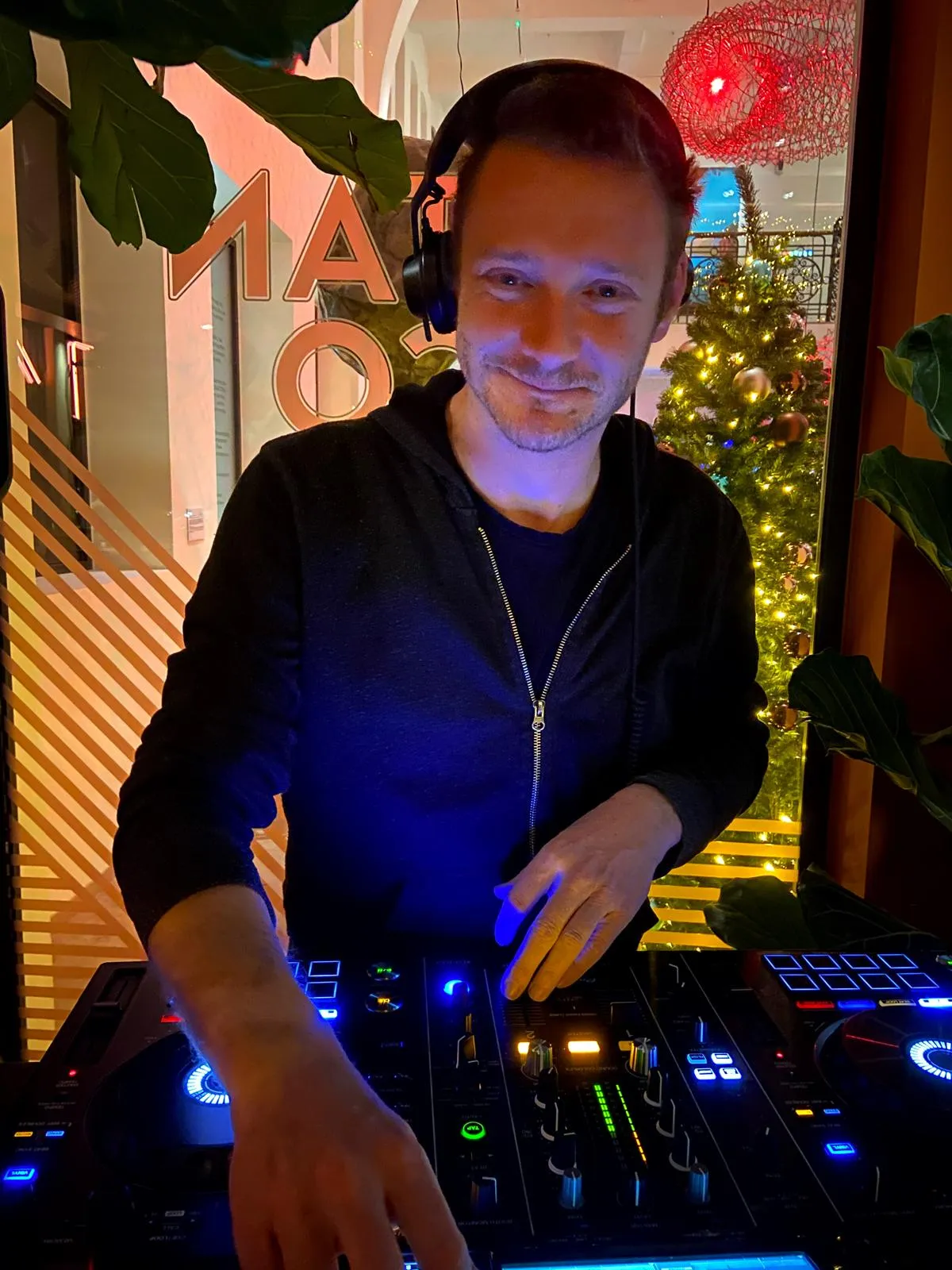
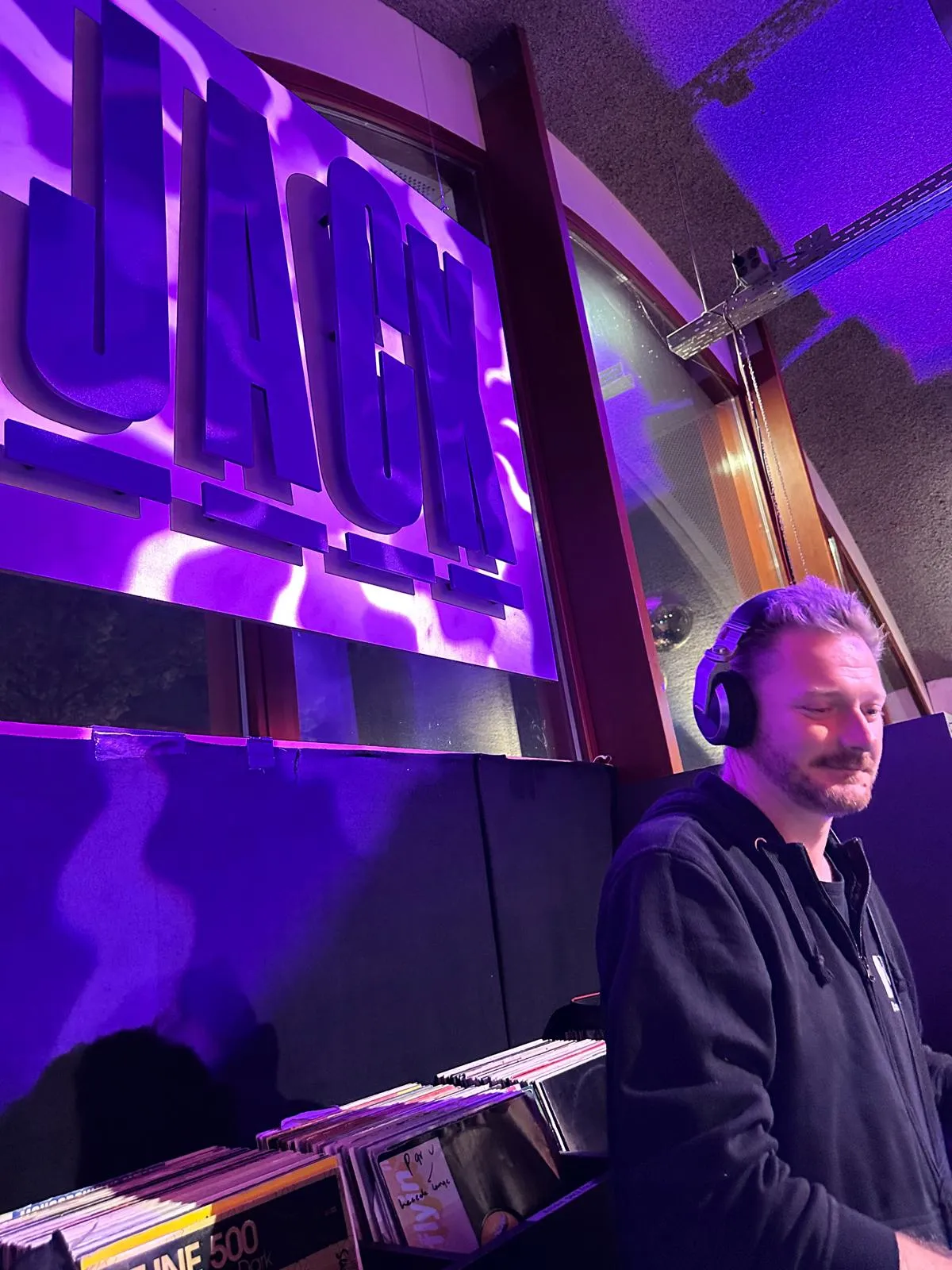
"Jack of all trades, master of none." You know the saying. And in the DJ world it gets used to write off allround DJs. But the full quote runs differently: "A jack of all trades is a master of none, but oftentimes better than a master of one." Time to talk about why the allround DJ is structurally undervalued.
What is an allround DJ, exactly?
Let us first define what we are talking about. An allround DJ is not simply "somebody who plays everything." It is a professional who is:
- Versatile across genres: house, R&B, disco, charts, oldies, rock, dance classics - all to a standard
- Versatile across events: corporate events, galas, clubs, lounges, festivals, private parties
- Technically versatile: able to handle different setups, systems and situations
- Versatile across demographics: from 18 to 80, from student party to gala
This is not the same as "being a bit good at everything." This is mastering all of it at a professional level. And that is far harder than most people realise.
The perception problem
Why are allround DJs undervalued? The answer is complex, but it comes down to a few factors.
The specialist bias
We live in an age of specialisation. The techno DJ who only plays techno is seen as "real". The deep house purist is respected for his authenticity. The allround DJ? "He just plays anything for money."
This is a form of genre snobbery. As if playing more than one genre somehow makes you less "real". As if versatility were a lack of identity.
Social media amplifies specialisation
Instagram and TikTok reward niche content. An account that only posts techno builds a targeted following faster than one that varies. This creates a distorted picture: the most visible DJs are often the most specialised.
Meanwhile the allround DJ plays gigs every week where the crowd does not care about genre, only about a great night. That just posts less "sexy" on social media.
The "anyone can DJ" myth
Streaming and cheap controllers have created the perception that DJing is easy. "My cousin has a Spotify account and a Pioneer controller - he can do it too."
This hits allround DJs hardest. Because their work - navigating a five-hour gala across several generations - looks "simple". How much skill goes into it is not visible.
The real value of versatility
Let me explain what a good allround DJ actually does - and why it is so valuable.
Real-time adaptability
A specialist can decide their set in advance. The allround DJ has to read and react constantly. The directors want disco, the thirty-somethings want house, the table at the back is shouting for something old - and all of it has to fit into one flowing set.
That takes not only enormous musical knowledge, but social intelligence. You have to read non-verbal signals, anticipate energy shifts, and make decisions in real time.
What an allround DJ does in 5 hours
- Play 80-150 different records
- Serve 4-5 generations (18-80 years old)
- Navigate several moods (reception, dinner, party)
- Handle dozens of requests
- Make constant micro-decisions
Broader musical knowledge
A techno DJ can get away with a library of 5,000 tracks in one genre. An allround DJ often manages 30,000+ tracks across dozens of genres. And not just have them - know them. Know which track works in which situation, for which crowd, at which moment.
Several genre histories
To play disco properly you have to know its history. The same goes for hip-hop, house, rock, soul. An allround DJ is not just broad - he is deep across the whole width. That is intellectually and practically demanding.
Problem-solving ability
The allround DJ ends up in more different situations. More venues, more systems, more kinds of crowd. That forces a flexibility and problem-solving ability that specialists simply develop less.
Why allround is actually harder
Here is the controversial bit some people do not want to hear: allround DJing is technically harder than specialising. Here is why.
Genre transitions
Blending within house is relatively predictable. But from disco to modern R&B to a rock record to deep house? That takes creativity, knowledge of harmonic mixing across genres, and the ability to manage energy shifts.
Managing a bigger library
Keeping 30,000 tracks organised, tagged and instantly findable is a skill in itself. The allround DJ spends hours a week on library management alone.
Constant education
The specialist only has to keep up in one genre. The allround DJ has to know what is happening in pop, dance, R&B, classics - and how they all relate to each other.
Psychological versatility
A two-hour peak-time club set calls for a different mindset than a five-hour company gala. The allround DJ switches not only musically but mentally. That is more draining than it sounds.
The difficulty test
Ask a club DJ to play a company gala. Watch how quickly they get stuck when the director asks for Sinatra, followed by the sales department wanting TikTok hits, followed by the table that wants "something old". Versatility is hard.
The market dynamics
Here it gets painful: despite the difficulty, allround DJs are often underpaid.
Race to the bottom
The low barrier to entry creates competition. Plenty of new "DJs" with a controller and Spotify offer themselves for 200 euros for a whole night. That pushes prices down for everyone.
Clients who do not understand
Event planners and private clients often do not understand the difference between an amateur with a playlist and a professional. "They both just play music, don't they?"
Invisible complexity
The work of a good allround DJ is invisible precisely when it goes well. Everything runs smoothly, nobody notices the constant decisions. It feels "easy". Only when it goes wrong with an amateur do you realise what the professional was doing.
A case for respect
I am not writing this to complain. I am writing it to create understanding - among clients, among fellow DJs, in the industry.
To clients
The allround DJ you hire for your company party or club night brings decades of experience, tens of thousands of tracks, and the ability to read and serve your specific crowd. That is not "just putting music on."
To fellow DJs
Stop looking down on colleagues who play allround. They are doing something hard. The fact that you would not want to, or could not, does not make it less valuable.
To allround DJs themselves
Be proud of what you do. You are not a lesser DJ because you are not in one genre. You are versatile, adaptive, and able to handle more situations than many a specialist.
"A jack of all trades is a master of none, but oftentimes better than a master of one." — The full, original quote
The future of allround
I believe the value of allround DJs will only increase. Here is why.
Events are getting more diverse
Guests at corporate events and private parties are becoming more international, more multi-generational, with more diverse tastes. The need for versatility is growing.
Authenticity is coming back
After the TikTok explosion of amateurs with controllers, clients will slowly start to value the difference again. Quality stands out once there have been enough bad experiences.
Specialisation has limits
There is only so deep you can go in one niche. The allround DJ has endless room to grow - there are always more genres, more situations, more to learn.
Conclusion: craft deserves respect
The allround DJ is the ultimate musical craftsman. Somebody who did not take the easy road of specialisation, but the challenge of versatility.
Is it less "cool" than the underground techno DJ with 10,000 followers? Maybe. But when your aunt is dancing next to your best friend next to your grandmother - all on the same floor, all happy - you know what craft is.
And that deserves respect. Far more than it gets now.