"How do you get gigs?" is the question I get most often from DJs starting out. And the honest answer is: there is no magic formula. But there are strategies that work - and traps you should avoid.
It is not about more bookings
Let me start with a contrarian claim: you do not want more bookings. You want better bookings. A calendar full of badly paid gigs that make you miserable is worse than a half-empty calendar with work you are proud of.
That distinction is crucial. Too many DJs chase volume and end up burned out, underpaid and uninspired. The strategy I am sharing aims at both: more work, but above all better work.
Build a brand, not a portfolio
The first thing most DJs do is open a SoundCloud account and upload a few mixes. That is a start - but it is not a strategy.
Define who you are
Before you start promoting, you need to know what you are promoting. Who are you as a DJ? What sets you apart from the thousands of others? This is not just marketing speak - it determines everything.
Questions to ask yourself
- What type of events do I want to do? (clubs, corporate, private parties, everything?)
- Which genres are my expertise?
- What is my price level? (budget, mid, premium?)
- What makes a booking ideal for me?
Consistent presentation
Your name, your logo, your photos, your bio - it all has to be consistent across every platform. This sounds like a detail, but it is the difference between "random DJ" and "professional with a brand."
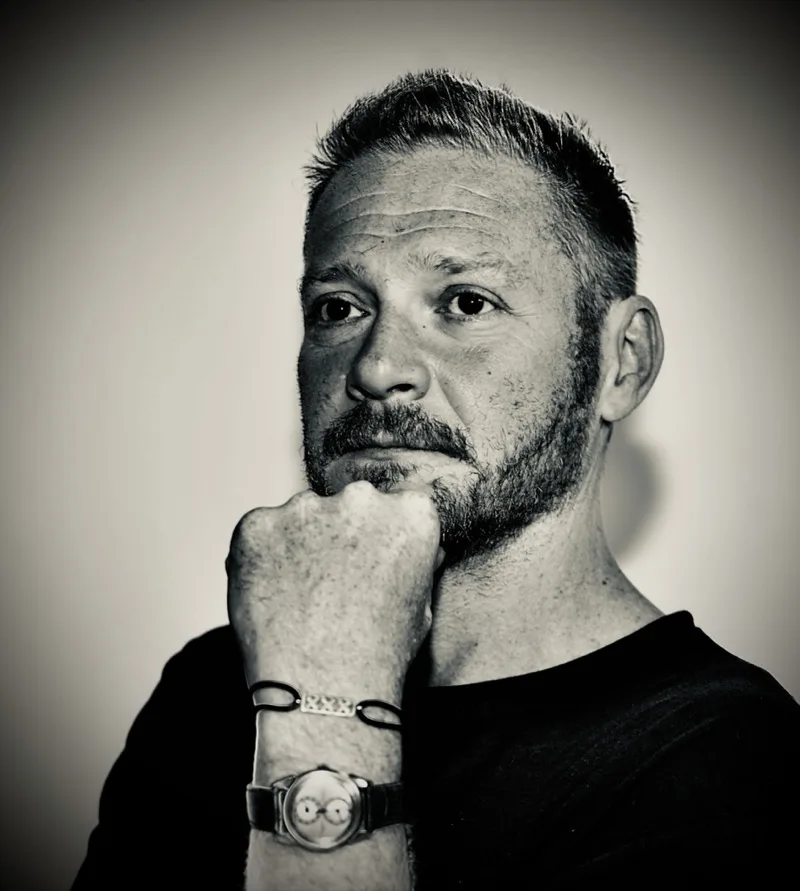
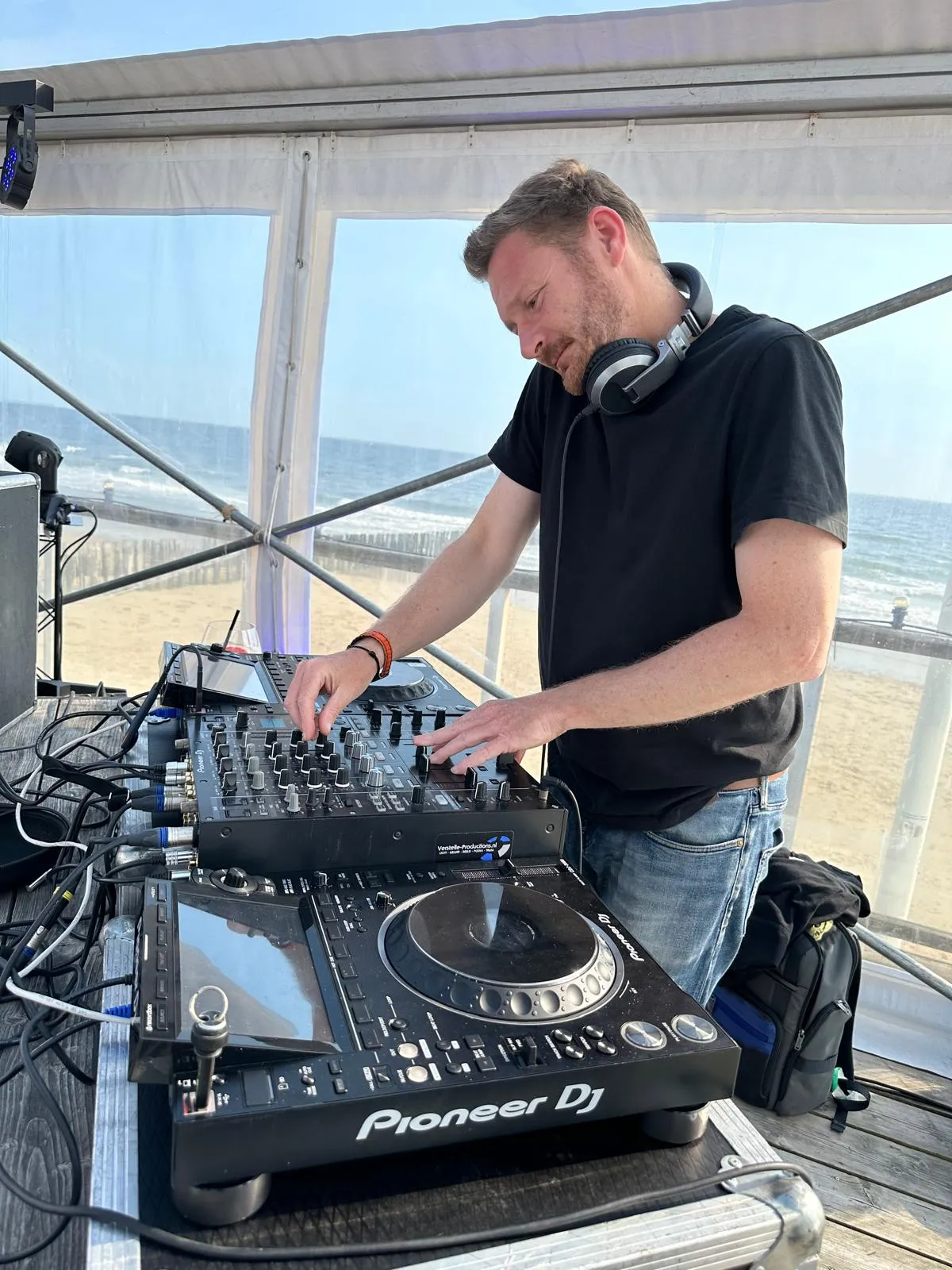
Invest in good photos. I mean it. A smartphone selfie behind the decks is not promotional material. Hire a photographer for half a day, get professional shots, and use them everywhere.
Networking: the real secret
Here is the uncomfortable truth: most bookings do not come through adverts or websites. They come through connections. People who know you, trust you, and think of you when they need a DJ.
Other DJs are not competitors
This is the mindset shift that changed everything for me: other DJs are colleagues, not competitors. They are your biggest source of bookings.
Why? Because every DJ has to cancel gigs. Double bookings, illness, holidays - there is always a moment when a colleague needs somebody. If you are the colleague they know and trust, you get the booking.
Practical tip
Make a list of 10 DJs in your region or niche. Follow them on social media. Reply genuinely to their posts. Send the occasional message. Be helpful without expecting anything back. This is a long-term strategy that pays enormously.
Venues and promoters
Relationships with venues are worth gold. And the best way to build them? Be an ideal guest.
- Turn up on time (better early than late)
- Be friendly to all the staff (not just the manager)
- Solve problems without drama
- Ask for feedback after your set
- Send a thank-you message the next day
This sounds basic. But you would be amazed how many DJs do not do it. Reliability and professionalism are rare - and they get rewarded.
Event planners and agencies
For private parties and corporate events, planners are the gatekeepers. They keep a list of preferred vendors - and if you are on it, leads come to you automatically.
How do you get on that list? By serving one planner well and asking for a reference. By going to local networking events where planners turn up. By having professional material they can forward.
An online presence that works
Yes, you need an online presence. But not everywhere - in the right places.
Website: must-have
Your own website is not optional. It does not have to be fancy, but it does have to:
- Make clear who you are and what you do
- Have good photos and a short bio
- Offer a way to get in touch
- Show examples of your work (mixes, videos)
- Look professional on mobile
Social media: pick and focus
You do not have to be everywhere. Pick 1-2 platforms and do them well. For DJs, Instagram and TikTok are currently the most relevant, but that changes.
It is not about followers. It is about engagement from the right people. 500 followers who are event planners are worth more than 50,000 random accounts.
Mixcloud/SoundCloud: proof you can do it
Upload mixes regularly. This is your portfolio in action. When somebody asks "how do you sound?", you send a link. Make sure your mixes represent the work you want to do.
Pricing: the hardest question
"What do you charge for a gig?" The answer to this question decides a lot. Too low and you attract the wrong clients. Too high and you get no replies. What works?
Value-based pricing
Stop thinking in hourly rates. Start thinking in value. What is the value of a company party that lands? A night guests still talk about years later? Far more than "50 euros an hour."
Put packages together instead of hourly prices. "Party package: 5 hours of DJ, planning call, professional sound, lighting" sounds different from "X euros an hour."
Raise your prices
If you are regularly fully booked, your prices are too low. Simple. Raise them by 10-20% and see what happens. The right clients do not drop off over a reasonable increase.
"Price is what you pay. Value is what you get." — Warren Buffett
Dare to say no
This is the hardest lesson: sometimes you have to say no. To gigs that pay too little. To clients who feel like trouble. To events that do not suit you.
Every bad gig you accept blocks time for a good one. And every underpaid gig trains your market to underpay you.
Retention: the underrated strategy
It costs 5x more to win a new client than to keep an existing one. Yet most DJs focus only on new leads. Wrong.
Follow up after every gig
Send a personal message 2-3 days after the gig. Ask how they look back on the night. Ask for a review. This simple gesture sets you apart from 90% of the market.
Build a mailing list
Collect email addresses from happy clients (with permission). Send a newsletter 2-4 times a year. Not sales-y - share interesting content, updates, behind-the-scenes. Stay top of mind.
Referral programme
Make it easy for happy clients to refer you. This can be simple: "Do you know anybody with an event coming up? I appreciate every introduction."
Some DJs offer a discount or incentive for referrals. That can work, but often a genuine thank-you is enough.
What do you invest in?
A frequent question: should I invest in better gear or in marketing? The answer depends on where you are.
First: basic gear that works
You need reliable equipment. But "reliable" is not the same as "most expensive". A solid controller and good speakers are enough to start.
Then: presentation material
Professional photos, a good website, business cards - this has more ROI than the newest Pioneer setup. People do not book you for your gear, they book you for your presentation and your reputation.
Later: upgrade the gear
When you are booking consistently and your revenue justifies it, upgrade your gear. Not before. Too many DJs buy expensive equipment before they have clients to show it to.
The long-term view
Everything I have described takes time. Networking does not bear fruit within a month. Building a brand takes years. This is not a sprint - it is a marathon.
The DJs who are successful after 10 or 20 years are not the ones with the best gear or the most followers. They are the ones who consistently play good sets, behave professionally, and maintain relationships.
Start today. Be patient. Stay consistent. The bookings will come.