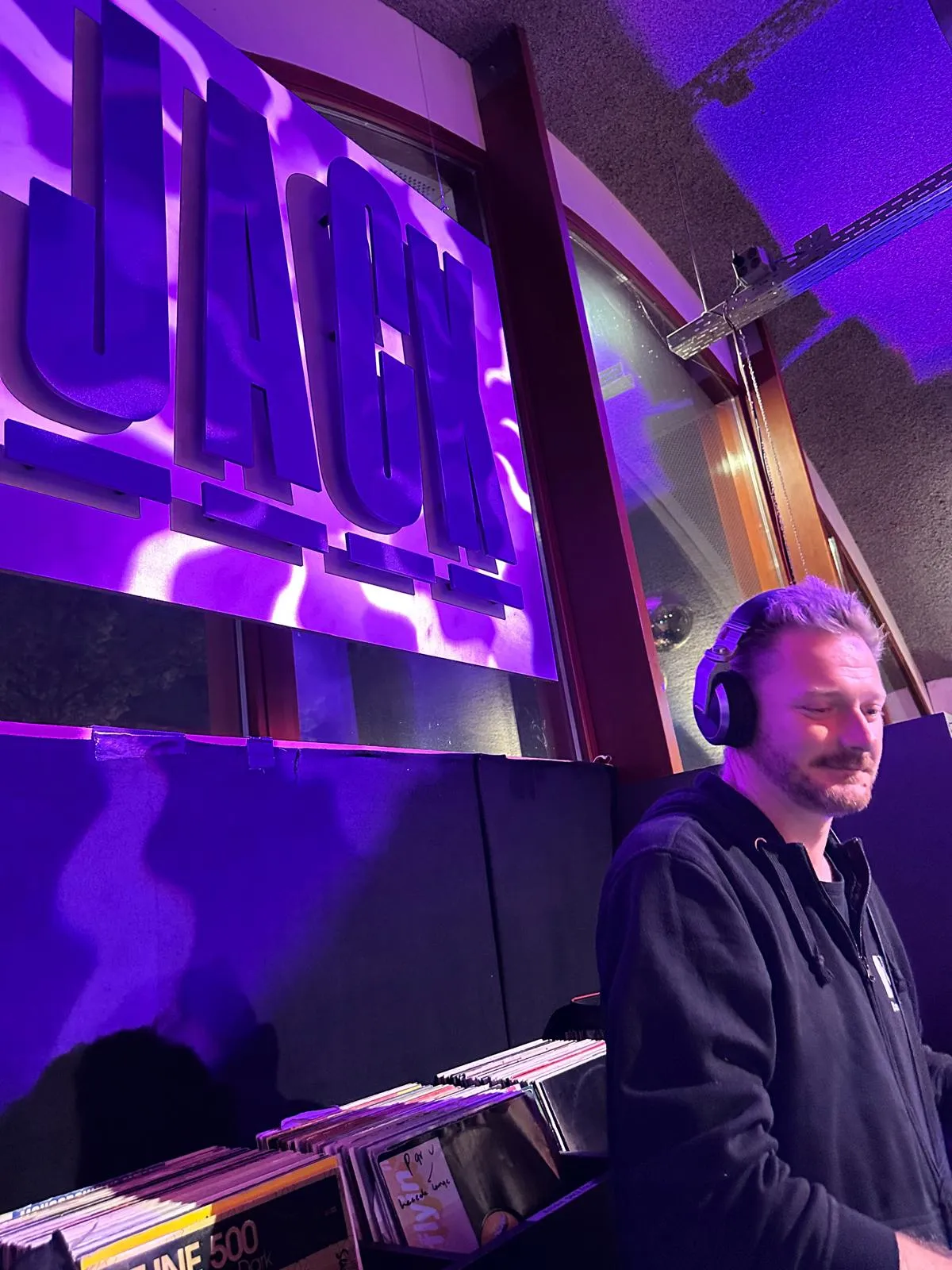
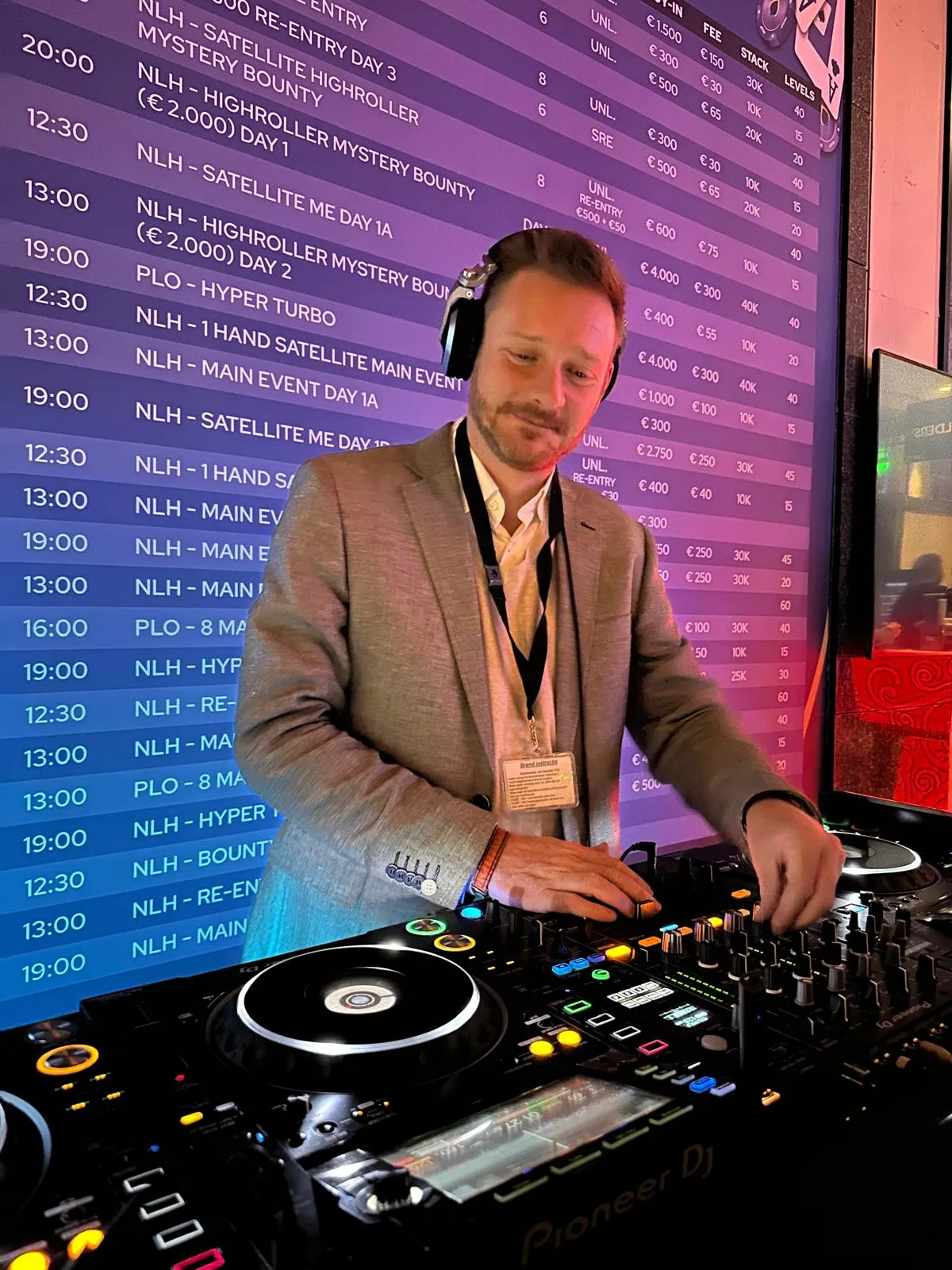
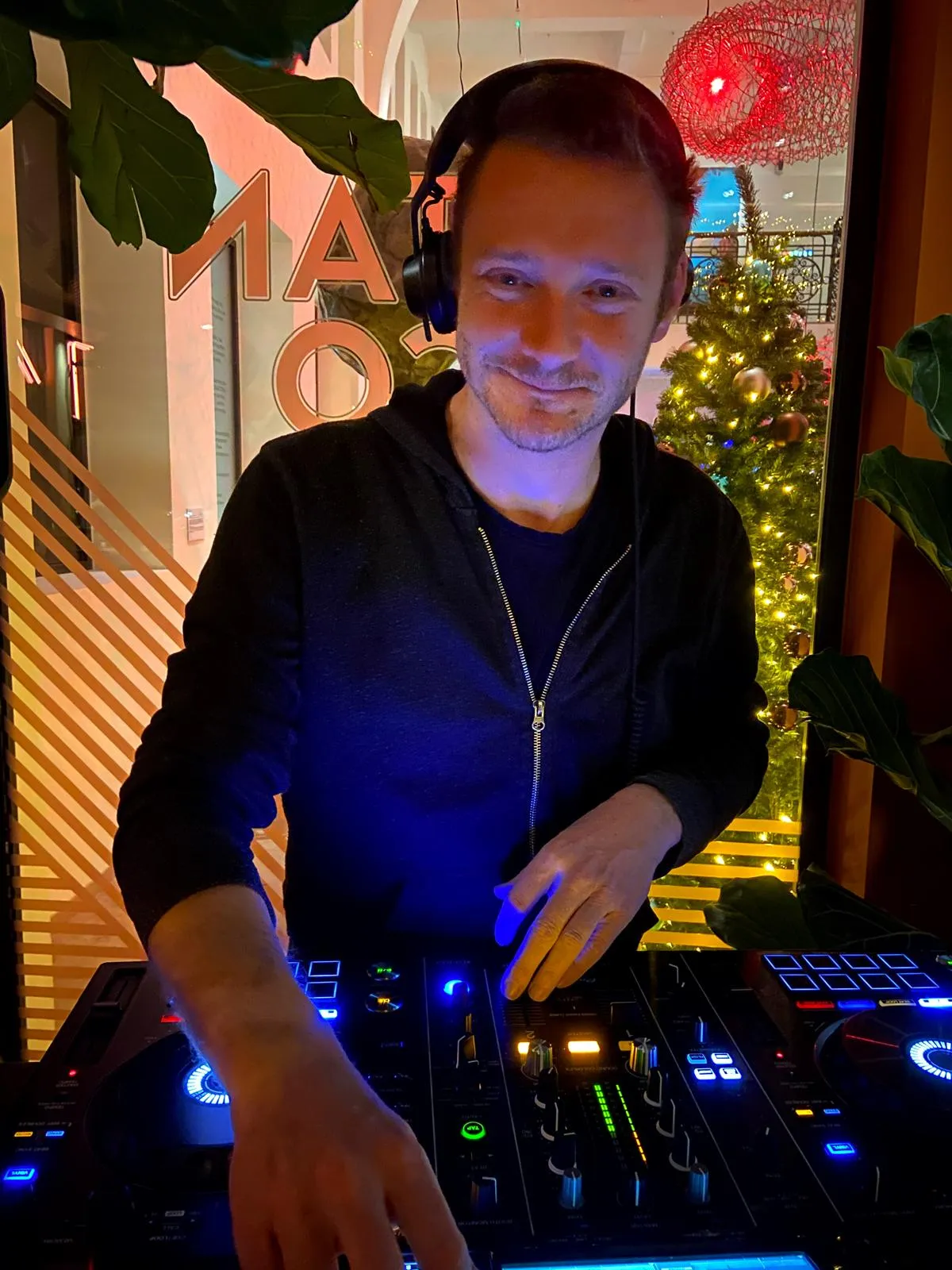
The difference between a good DJ and a great DJ? The great DJ knows exactly what the floor needs before the crowd realises it themselves. After more than twenty years of playing in Amsterdam and beyond, from intimate lounges to UNTOLD Festival, I have learned that reading a dancefloor is the most important skill you can develop.
What does "reading the floor" actually mean?
When I talk about reading the floor, I do not just mean watching who is dancing. It is about understanding the collective energy, recognising patterns, and predicting where the night is heading. It is a combination of observation, intuition and experience.
In my years at Holland Casino I have learned that every night is different, even in the same room with a comparable crowd. The art lies in constantly adapting to what you see and feel.
The body language signals
Body language tells you everything you need to know. These are the signals I always watch for:
Positive signals
- Hands in the air - The crowd is fully in the vibe and ready for a drop
- Closed eyes - They are completely lost in the music
- People looking at the DJ booth - They are anticipating, they are engaged
- Spontaneous singing or clapping along - The connection is there
- New people coming onto the dancefloor - You are building momentum
Warning signals
- People looking at their phones - You are losing them
- Conversations starting on the dancefloor - The music is too predictable or not engaging enough
- People walking to the bar - Normal, but if it happens en masse: adjust
- Folded arms - Literally closed off from the music
- Shaking heads or frowning - Straight disapproval
Pro tip
Do not focus only on the people right in front of the booth. Those are usually already convinced. Look at the edges of the dancefloor, at the people hesitating. If you can persuade them to stay or to dance, you have the whole floor.
Recognising energy levels
Every night has a natural energy curve. Do not try to force it, work with it. This is what I have learned over the years:
The build phase (opening - first hour)
People are coming in, ordering drinks, discovering the room. They are not ready for bangers yet. This is the moment for groovy, inviting music. Tracks with a good feel but without too much pressure. You are planting seeds.
The transition phase (second hour)
The dancefloor starts taking shape. Small groups are dancing. This is where you gradually build the energy. Test the water with something more energetic. If the reaction is positive, keep building. If not, take a step back.
The peak moments (middle of the night)
This is where the magic happens. The floor is full, the energy is high, and people are ready for the big moments. But even here you have to vary. Constant peaks do not work - you need troughs to make the peaks land.
The wind-down phase (last hour)
How you finish is just as important as how you start. Some DJs make the mistake of staying full throttle to the end. But the crowd needs a soft landing. Bring the energy down gradually, finish with something memorable.
When to build, when to drop
Choosing the moment for a build-up and drop is timing in its purest form. Too early and you waste the moment. Too late and the crowd loses interest.
Signals that they are ready for a drop
I know this feeling. The energy on the floor reaches a certain point where people are literally aching for that release. You see it in:
- More and more hands going up
- People looking at the booth expectantly
- The movements getting more intense, higher
- A kind of collective tension in the air
The anti-drop
Sometimes the most powerful thing you can do is NOT give the drop. An unexpected breakdown when everybody expects that drop can have just as much impact. It creates tension, makes the crowd hungry. And when you do drop - twice as hard.
The golden rule
Do not always give the crowd what they expect. Sometimes give them what they did not know they wanted. That is where the magic is.
Different venues, different approaches
What works in one club does not necessarily work in another. Context is everything.
Festival sets (like UNTOLD)
Big crowds, plenty of visual distraction, and an audience that has often already seen several acts that day. Here you have to go bigger, more direct, and make impact faster. Subtlety works less well on a festival site.
Club sets
More intimate, darker, and an audience that has come specifically for the music. Here you can take more risks, go deeper, and create a real journey. This is what I personally enjoy most.
Corporate events and private parties
The most demanding crowd. Generations mixed together, different musical tastes, and the pressure to keep everyone happy. Here it is about reading and adapting in real time. Constantly.
Practical tips from the field
1. Do not know your first three tracks in advance
Yes, this may sound strange. But I only decide my opening once I have walked into the room and felt the vibe. What you prepared at home may not suit what you find.
2. Make eye contact
Look people in the eye on the dancefloor. It creates a connection and gives you direct feedback. A smile or a nod tells you everything you need to know.
3. Watch the bar staff
Seriously. Bar staff see the crowd from a different angle. When they start moving along, you know it is working. They are also a good indicator of the crowd's alcohol level - relevant to your track selection.
4. Trust your gut
Sometimes you feel that a particular track is the moment, even though statistically it makes no sense. After years you develop an intuition that is usually right. Trust it.
5. Dare to fail
Not every track is going to land. Not every set is perfect. The difference is in how quickly you recover. Read the reaction, adjust, move on.
The learning never stops
After twenty years you might think I have seen it all. Nothing could be further from the truth. Every crowd is different. Every night brings new lessons. And that is exactly what makes this job so fascinating.
Reading a dancefloor is not an exact science. It is a combination of technique, intuition and experience that you can only develop by playing. By playing a lot. And with every set you get a little better.
My advice? Spend less time perfecting your mixes and more time observing your crowd. The technique you can learn. Feeling out a floor - that only comes from putting in the miles.