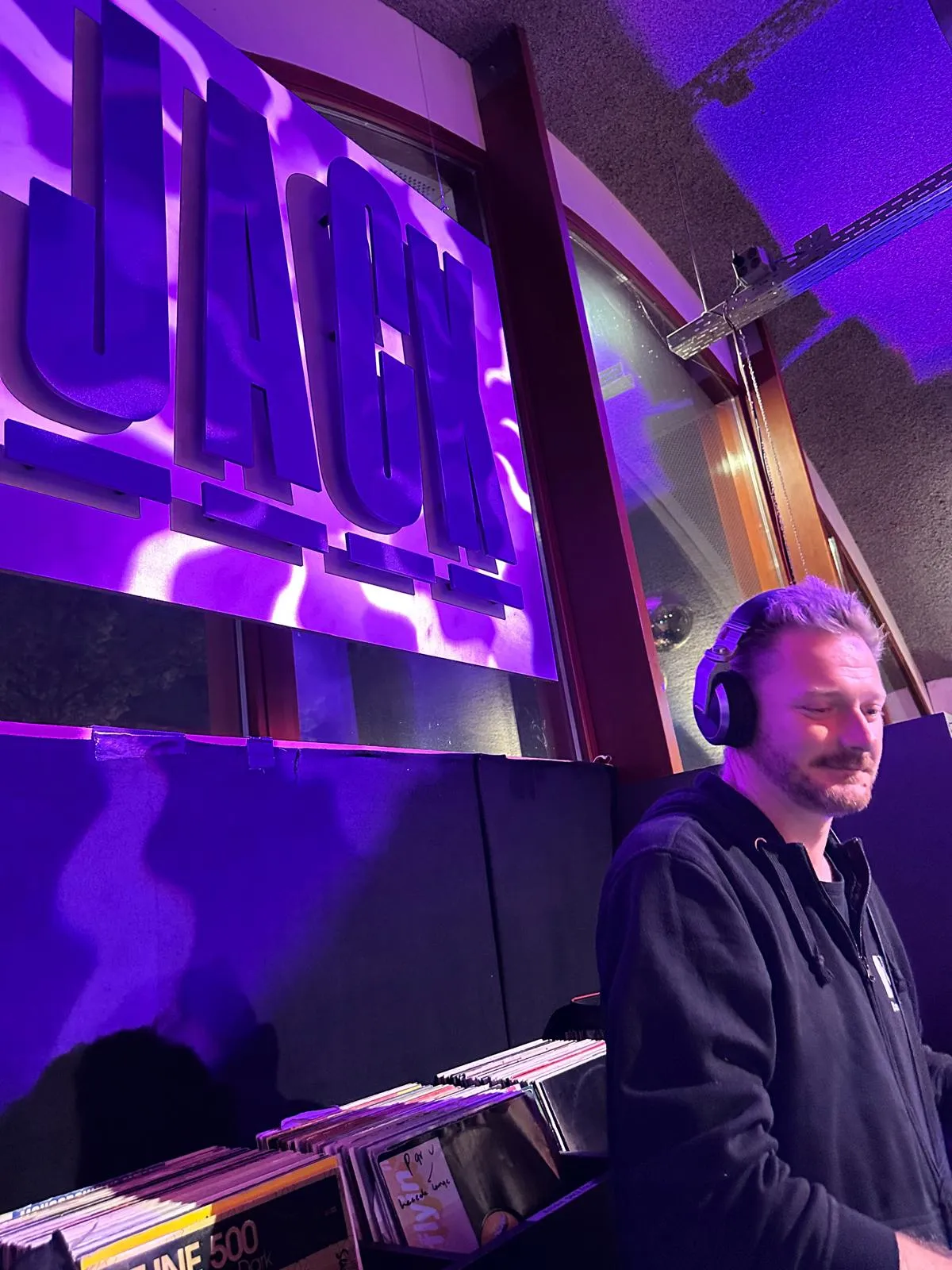
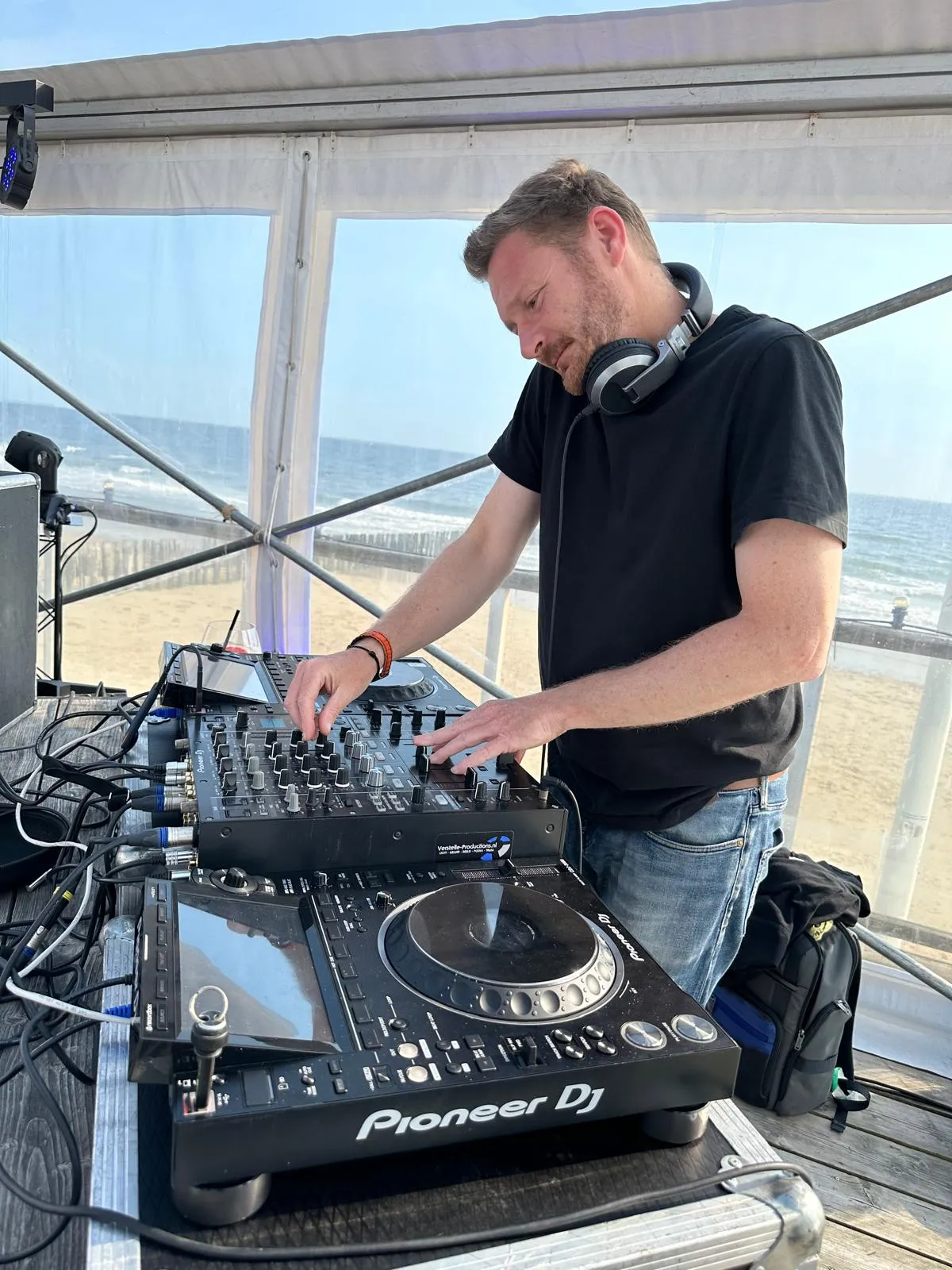
There is a reason the best DJs in the world started out as openers. The warm-up set is not a second-tier position - it is an art form that demands more discipline, insight and skill than many a headliner will ever realise.
What is a warm-up set exactly?
A warm-up set is the opening of a night. You are the DJ who plays before the headliner arrives - or, in the case of a private party, the first hours as guests come in. Your job is not to tear the place down. Your job is to build the night.
Think of a warm-up as the starter in a five-course meal. Nobody wants a steak as a starter. You want something that wakes up your palate, makes you curious about what is coming, without filling you up before the main course arrives.
The core of a good warm-up
- Build the energy gradually - start low, finish exactly where the next DJ needs to begin
- Create atmosphere without peaking - the peak comes later
- Read the room - who are the first guests? What is the vibe?
- Service to the night, not to your ego
The philosophy: it is not about you
This may be the hardest lesson for any DJ: sometimes it is not about you. The warm-up set is in service of something bigger - the whole experience of the night. You are not the star; you are the architect of the foundation.
DJ Harvey, a legend in the scene, has often talked about the importance of restraint. The best warm-up DJs are the ones who know when to hold back. They have that one banger in their bag, but they know it is not the right moment.
The technical approach
Let us get concrete. A good warm-up set has a clear structure:
BPM and energy
Start lower than you think. For a house/techno night that often means starting around 110-115 BPM with deep, hypnotic tracks. By the end of your set you work up to 120-125 BPM - exactly where the headliner is likely to begin.
Track selection
Choose tracks that leave space. No vocal anthems, no "hands in the air" moments. Think:
- Groovy, hypnotic beats
- Instrumental tracks or subtle vocals
- Texture and atmosphere over energy
- B-sides and deep cuts, not obvious hits
The handover
A professional warm-up DJ knows exactly how the headliner sounds. Your last track has to lead seamlessly into their style. The best handovers are invisible - the crowd does not even notice the change.
Pro tip
Ask the headliner in advance what energy level they expect when they start. "Do you want a cold or a warm floor?" makes your job a lot clearer.
The 8 deadly sins of the warm-up DJ
After twenty years in this trade I have seen them all - and yes, committed some of them myself in my early years. These are the mistakes that can make or break your career:
1. Too loud, too fast
The number one mistake. You have two hours, the room is still half empty, and you are playing like it is closing time. Where is the headliner supposed to go? You killed the night before it started.
2. Playing the headliner's tracks
Nothing is as embarrassing as the headliner walking in just after you have played their biggest hit. Do your research. Know their recent sets. Stay out of their lane.
3. Ego over service
"But this is my chance to show what I can do!" No. This is your chance to show that you are a professional who understands the bigger picture.
4. Filling the floor too early
If everyone is already dancing like maniacs an hour before the headliner, where is the build-up? The tension? You have ruined the climax.
5. Overrunning
Your end time is your end time. When the headliner is there, you finish and step away. No "one more" and no overrunning. Respect the schedule.
6. Not listening to the room
The best plans do not survive first contact with the enemy. If the mood calls for an adjustment, you adjust. Flexibility is key.
7. Technical unpreparedness
You are first. If something is wrong with the system, you are the one who finds it. Come early, check everything, fix problems before the crowd comes in.
8. Complaining about your slot
"I had to start at 22:00, the room was still empty..." Stop. This is the job. Every great DJ has been through it. See it as an honour, not a punishment.
Why the warm-up is actually harder
Here is a controversial point many headliners do not want to hear: a good warm-up set is technically harder than headlining.
As a headliner you have a full room waiting for you. They know your name, they want to party. You can barely fail - the energy is already there.
As a warm-up DJ you have to:
- Create energy out of nothing
- Keep people in who are not in the mood yet
- Constantly suppress the urge to go harder
- Anticipate what somebody else is going to do
- Do all the dirty work without the credit
The career value of warm-ups
Here is the secret few people realise: the road to success runs through the warm-up slot.
Do you think Sasha and Digweed started as headliners? Richie Hawtin? Ricardo Villalobos? They all worked on their craft for years in the early hours, to empty floors, without applause.
What they learned:
- Patience - The most important quality in any DJ
- Musical depth - You cannot fill 4 hours with obvious tracks
- Reading the room - Essential when you have no name to lean on
- Professionalism - Promoters remember who is reliable
Warm-ups in different contexts
The principles stay the same, but the execution differs by situation:
Club
This is the classic setting. Focus on building a journey towards the headliner. Think in hours, not in tracks.
Festival (daytime slot)
Here the challenge is different: people are constantly walking past, the sun is out, there are plenty of distractions. You have to be more accessible, but still build towards the evening programme.
Private party (cocktail hour)
Guests are arriving, greeting each other, getting drinks. The music has to be present without standing out. This is background music at its best - and that is a compliment.
Corporate event
Similar to cocktail hour, but with extra attention to broad appeal. No experiments, no risks. Safe but tasteful.
Conclusion: embrace the role
The warm-up set is not a second-tier position. It is an art form that demands discipline, knowledge and professional insight. It is where you learn what it means to be a real DJ - someone who sees the bigger picture and is willing to park their ego for the success of the night.
After more than twenty years behind the decks I can tell you this: some of my most satisfying sets were warm-ups. Those moments where you hand the headliner a perfect floor. Where you know you laid the foundation for an unforgettable night.
That is the real art. And it is an honour to practise it.