"Real DJs play vinyl." "CDJs are the industry standard." "Controllers are for beginners." If you have been in the DJ world long enough you have heard all of these - and they are all nonsense. After more than twenty years playing all three, from vinyl in the 2000s to the newest Pioneer gear, here is my honest take.
The context: my journey through the gear
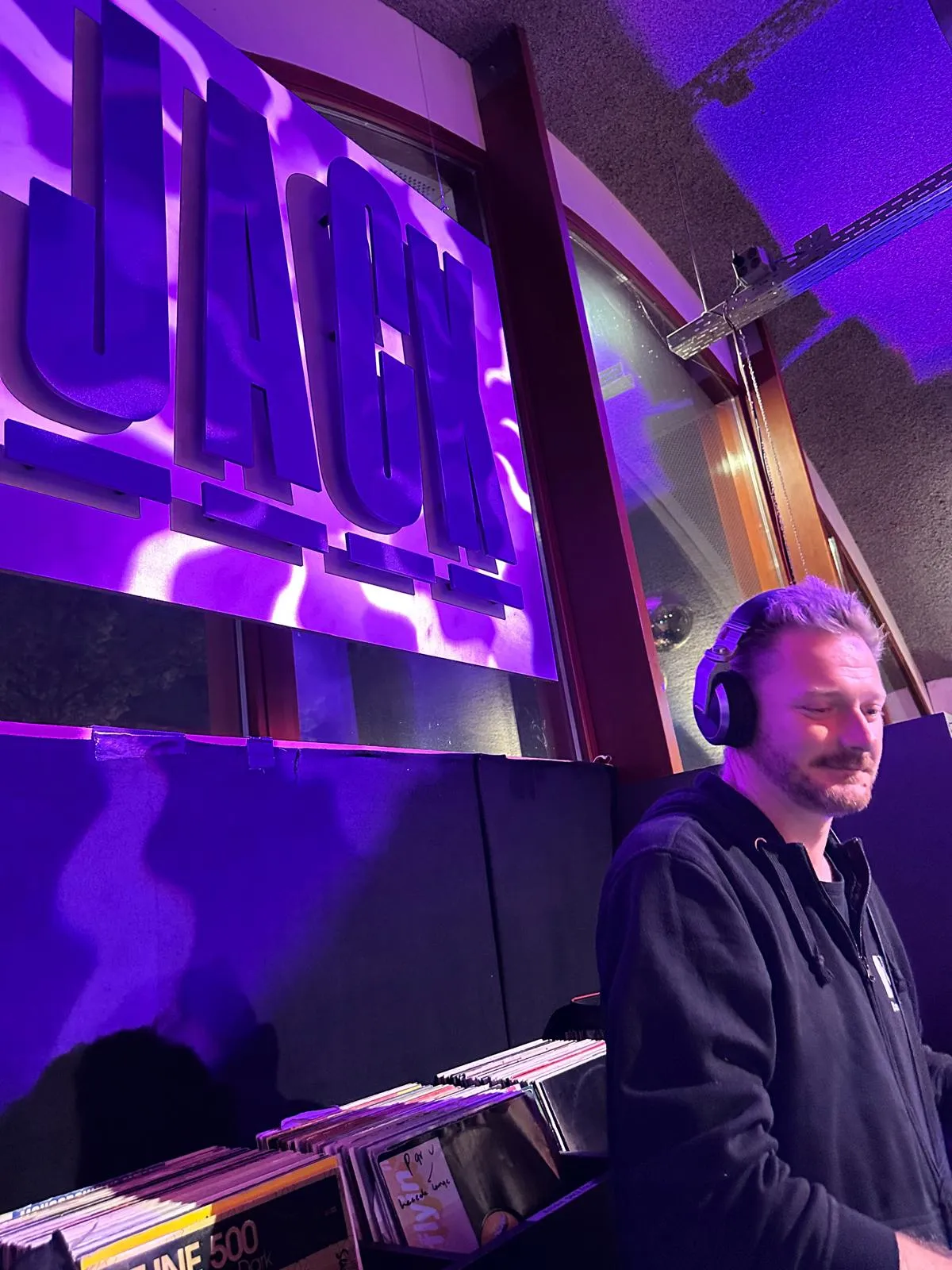
I started my DJ career on vinyl. Two Technics 1200s and a simple mixer - that was it. Hours of practising beatmatching, finding cue points with my fingers, and panic when a record jumped.
Then came CDJs. Viewed with suspicion at first ("that's not real DJing!"), later embraced as the new standard. The Pioneer CDJ-1000 was a game changer. Loops, cue points, no more slipping needles.
And now I see DJs coming up with nothing but a laptop and a controller, playing sets as good as anything I do on my most expensive setup. The world has changed. Let us look honestly at what each option offers.
Vinyl: the romance and the reality
The upsides
- The tactile feel - Nothing feels like a real record under your fingers. The resistance, the warmth, the physical connection to the music.
- A unique collection - Plenty of music was never released digitally. Digging vinyl opens up a world of rare tracks.
- The ritual - Buying records, cleaning them, filing them - it is an experience digital does not have.
- Sound character - The "warmth" of vinyl is not a myth. Analogue sound has a different texture.
- Showmanship - The crowd sees you working. The theatricality of vinyl is unmatched.
The downsides
- Weight and logistics - Try taking 100 records to a gig. Your back hates you.
- Fragility - A scratch, a jump, a broken needle - live, there are a thousand things that can go wrong.
- Cost - Good records are expensive. A serious collection costs a fortune.
- Limited functionality - No loops, no hot cues, no sync. Everything by hand.
- Club setups - Fewer and fewer venues have turntables installed.
My honest opinion on vinyl
I still love vinyl, but I am realistic. It is romantic, not practical for 95% of my gigs. For special sets, for home, for the pure experience - yes. As my primary tool - no.
CDJs: the industry standard
The upsides
- Universal - Virtually every professional club in the world has CDJs. You know what you are getting.
- Reliability - Pioneer CDJs are tanks. They rarely break.
- Functionality - Loops, hot cues, quantize, sync - everything you need is built in.
- USB practicality - One USB stick with thousands of tracks. No more cases full of records.
- Professional image - For better or worse, CDJs are seen as "pro".
The downsides
- Cost - A set of CDJ-3000s with a DJM-900 costs as much as a small car.
- Lack of character - Every DJ booth looks the same. No personality.
- Overkill at home - For practice and home recording it is often more than you need.
- Jog wheel vs. vinyl - However good they are, jog wheels do not feel like real records.
My setup
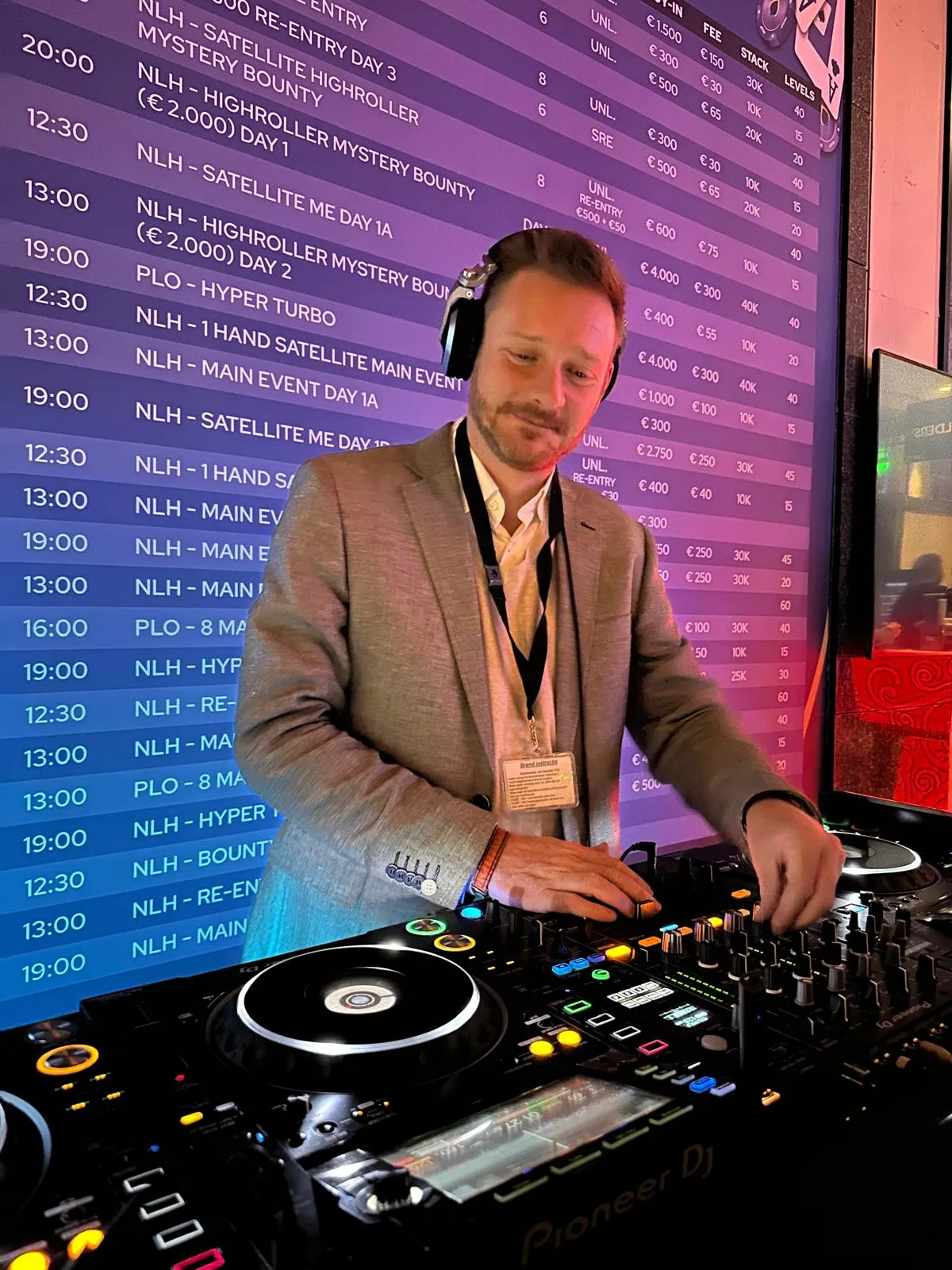
At Holland Casino I play on CDJ-2000NXS2s with a DJM-900NXS2. This is my go-to setup for professional gigs. Reliability is crucial - if something goes wrong in front of 500 people, there is no excuse.
Controllers: the new generation
The upsides
- All-in-one - Mixer, decks, effects, interface - a complete setup in one device.
- Affordable - A good controller costs a fraction of CDJs.
- Portable - Carry your whole setup in a backpack.
- Software integration - Serato, Rekordbox, Traktor - the possibilities are endless.
- A perfect learning tool - Beginners can start for relatively little money.
- Innovation - Key detection, AI mixing, cloud libraries - software keeps evolving.
The downsides
- Stigma - Unfairly, but controllers are sometimes seen as "not professional".
- Club compatibility - You often have to bring your own gear because clubs do not have controllers.
- Laptop dependence - Most controllers are useless without a laptop.
- Build quality varies - Not all controllers are equal. Cheap models feel cheap.
- Visual perception - A DJ with a laptop behind the decks looks less impressive than a vinyl setup.
Standalone controllers
The newest development: standalone controllers like the Denon Prime series or the Pioneer XDJ-XZ. No laptop needed, CDJ functionality, controller format. This is where the industry is heading.
The stigma has to stop
I have seen brilliant DJs on a DDJ-400 and terrible DJs on CDJ-3000s. The gear does not make you good - you make the gear good. Full stop.
When do you use what?
After twenty years I have developed a pragmatic approach. Here is when I use which setup:
CDJs (my default)
- Professional club gigs
- Festivals (always CDJs in the rider)
- Corporate events with an existing setup
- Situations where reliability is critical
Controller
- Mobile gigs without a fixed setup
- Private parties
- Backup, in case something fails on the road
- Practising at home and testing new tracks
Vinyl
- Special themed nights (disco, funk, classics)
- Private sets where the vibe calls for it
- Enjoying it at home
- When a venue specifically asks for a vinyl DJ
The sync button discussion
I cannot close this article without raising it. "Real DJs don't use sync!" Let me add some nuance:
Beatmatching by ear is a skill. A good skill to learn. But it is not what makes a DJ good. Track selection, timing, reading the floor, energy management - that is what makes you good.
Sync is a tool. Use it or do not, but do not judge others for using it or not. Deadmau5 uses sync. A-Trak, DMC champion, has said he has nothing against sync. If they find it acceptable, who are we to judge?
My personal preference
After all of that, here is where I land: CDJs are my primary tool, but I respect every method.
The CDJ-2000NXS2 or CDJ-3000 gives me the perfect balance of tactile feel, functionality and professional reliability. For most professional situations this is what I use.
But I look down on nobody who uses a controller. I understand the purists who stick with vinyl. And I accept that in five years something else might be the standard.
Advice for DJs starting out
If you are just starting, here is my honest advice:
- Start with a controller - It is affordable and you learn all the basics.
- Learn to beatmatch by ear - Even if you use sync later, the skill is valuable.
- Try CDJs as soon as you can - If you want to play professionally, you have to be able to work on them.
- Ignore the gatekeepers - Focus on your music, not on what other people think of your gear.
- Invest in music, not just gear - The best setup with bad tracks is still bad.
Conclusion: it is about the music
Vinyl, CDJs or controllers - they are all ways to play and mix music. No more, no less. The magic is not in the equipment. The magic is in what you do with it.
I have seen memorable sets on all three. I have seen terrible sets on all three. The difference was never the gear. It was the DJ.
So whatever you choose: choose what suits your situation, your budget and your style. Get to know it thoroughly. And never forget that the crowd is not looking at your hardware - they respond to the music you play and how you make them feel.
That is what counts. The rest is detail.