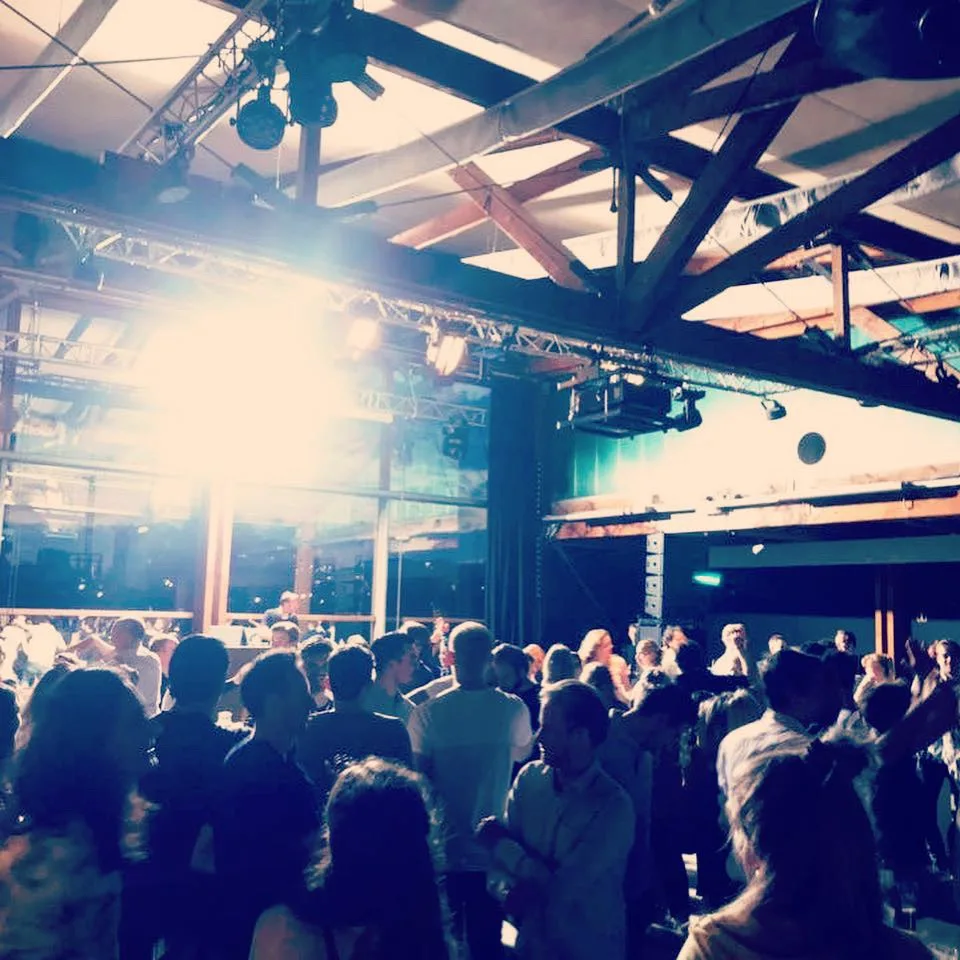
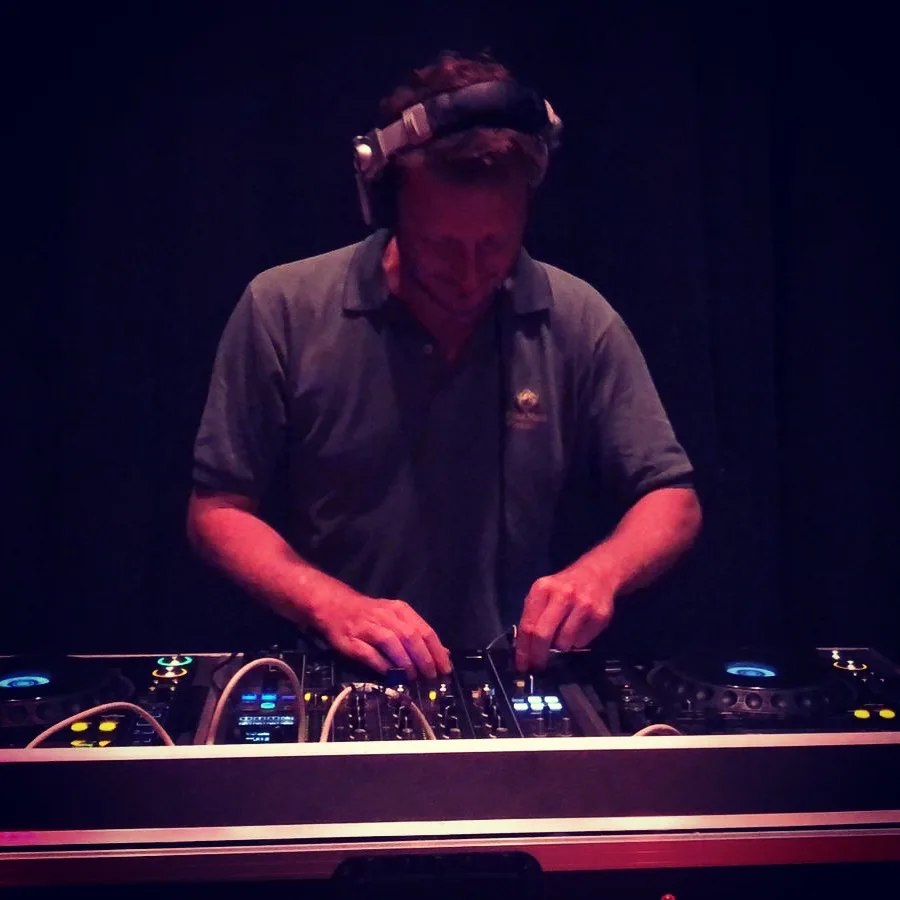
The Amsterdam club scene is legendary. From the hedonistic nineties to the curated underground of today - this city has always been out in front on electronic music. As a DJ who has lived through both eras, let me take you through the history and the future of Amsterdam nightlife.
The golden years: 1990-1999
I was too young to experience RoXY at its peak, but the stories I heard from older DJs shaped my idea of what a club could be. RoXY, opened in 1987 in a former cinema on the Singel, was not just a club - it was a cultural revolution.
RoXY: the mother of it all
RoXY introduced Amsterdam to house music. DJs like Eddy de Clercq, Dimitri and a young Tiesto played their earliest sets there. It was a place where fashion, art and music melted together. The door policy was strict - not out of elitism, but to protect a certain energy.
When RoXY burned down in 1999, Amsterdam lost more than a club. It lost a symbol.
The other pioneers
Alongside RoXY there were other places that shaped the landscape. De iT, Mazzo, Richter - each with its own identity, each contributing something to the scene. Rembrandtplein was not yet the tourist trap it would later become. Leidseplein housed serious clubs next to the bars.
What these places had in common: they were run by people who cared about the music. Not by investors who saw a business case.
The transition years: 2000-2010
The first decade of the new century was a period of searching. RoXY was gone, the old guard was ageing, and the question was: what now?
The rise of the superclub
This was the era of the superclub. Internationally we watched places like Ministry of Sound, Pacha and Amnesia grow into brands. In Amsterdam several venues tried to copy that formula - with mixed success.
Panama, opened in 2004, was an attempt to create a new RoXY. It had the location, the design, the ambition. But somewhere it missed the soul of its predecessor. Too polished, too business-minded perhaps.
The underground survives
While the mainstream struggled, the underground flourished. Small venues, illegal parties, squats - that is where the real work happened. Places with no name, or a different name every week. Where you only turned up if you knew someone who knew someone.
This is the era in which I started playing. My first gigs were at places like that. No promotion, no poster, just an address shared by text message. And when you arrived, there were 200 people dancing like their lives depended on it.
The underground spirit
The underground of the early 2000s taught me what a club should really be: a place where the music comes first, where commerce is subordinate to experience, and where the community selects itself.
The rebirth: 2010-2020
Somewhere around 2010 Amsterdam began to wake up. The city council, long hostile towards nightlife, started to see its cultural and economic value. The 24-hour licence was introduced. New venues opened with vision and ambition.
Trouw: the turning point
Trouw Amsterdam, opened in 2010 in a former office building in the east, was a turning point. It combined the energy of the underground with the professionalism of the mainstream. Impeccable sound, a strict door policy, and programming that commanded international respect.
I remember my first night at Trouw. It was a revelation. This was what Amsterdam needed: a club that was serious about its mission, but accessible enough to reach a new audience.
The new wave
After Trouw came more. De School opened in 2016 with a concept that went beyond a club - it was a cultural centre. Shelter appeared underneath the A'DAM Tower. Radion, BRET, De Marktkantine - each with its own identity, all contributing to an ecosystem.
And suddenly Amsterdam was relevant again. International DJs wanted to play here. Festivals like ADE grew into the biggest industry event in the world. The city that had neglected its nightlife became a capital again.
The challenges: 2020 to now
And then came COVID. In March 2020 everything stopped.
The pandemic
For two years the clubs were shut. DJs without work. An entire industry on pause. Some venues did not survive it. Others kept their heads above water with crowdfunding, government support, or sheer willpower.
For me personally it was a period of reflection. No gigs meant time to think about what I was doing, why, and what I wanted when the world opened up again.
The reopening
When the clubs reopened in 2022, there was an explosion of energy. People who had missed two years stormed the dancefloors. Demand for DJs was greater than ever. It felt like a rebirth.
But there were dark clouds too. Rising rents pushed venues towards the edge of the city. Regulation got stricter. The council that had embraced nightlife started chipping away at it again.
What makes Amsterdam special
After all these years, after all these changes, the question remains: what makes the Amsterdam scene special? Why does the world come here?
The tolerance
Amsterdam has always had a tolerant culture. You see that reflected in the nightlife. LGBTQ+ community, different ethnicities, different ages - all together on the same dancefloor. That is rare.
The scale
Amsterdam is small enough to be intimate, big enough to be diverse. You can visit three different clubs in one night, each with a different feel. That density of options is unique.
The quality
Amsterdam clubs are technically superior. The sound systems here are world class. The programming is considered. The production is professional. There is a standard, and clubs that fall below it do not last long.
The future
Where is it going? As someone who has lived through twenty years of it, I do have some thoughts.
The challenges
- Gentrification - Clubs are being pushed to the edges of the city by rising property prices
- Regulation - The council is fickle, and new rules can appear out of nowhere
- An ageing scene - The old guard is retiring, and the question is whether the new generation takes over
- Commercialisation - The pressure to be profitable sometimes undermines the cultural mission
The opportunities
- Noord - The area north of the IJ is developing into a new cultural centre
- ADE - Amsterdam Dance Event keeps growing and draws international attention
- A new generation - There is talent coming through with fresh ideas and new energy
- Technology - Innovation in sound, light and experience opens up new possibilities
My own journey
When I look back at my two decades in this trade, I see one thread running through it: the constant search for authenticity. For places where the music comes first. For moments where commerce is subordinate to experience.
I never experienced RoXY, but I did taste its spirit in small underground venues. I survived the superclub period without selling my soul. I lived through the rebirth and contributed to it.
And now, as a resident at Holland Casino and bookable internationally, I still feel the same drive as on that first night behind the decks. The drive to make people dance. To create a space where daily life disappears and only the music is left.
For the new generation
If you are young and dreaming of a career in this trade, here is my message:
The scene you are entering is different from mine. But the core is the same. It is about passion. It is about persistence. It is about respect for the music and for the people you serve.
Learn the history. Visit the old places. Talk to the veterans. Understand where we came from before you decide where we are going.
And above all: stay authentic. In a world of algorithms and social media metrics, being real is your biggest asset.
Conclusion
The Amsterdam club scene is a living organism. It evolves, it adapts, it survives. From RoXY to De School, from vinyl to USB, from small squats to international festivals - the thread running through it is a passion for electronic music and the community built around it.
I have no idea what the scene will look like in twenty years. But I do know there will still be people who want to dance. Who want to escape. Who want to connect. And as long as those people are around, there will be clubs to welcome them.
Amsterdam has always been about that. And it always will be.